
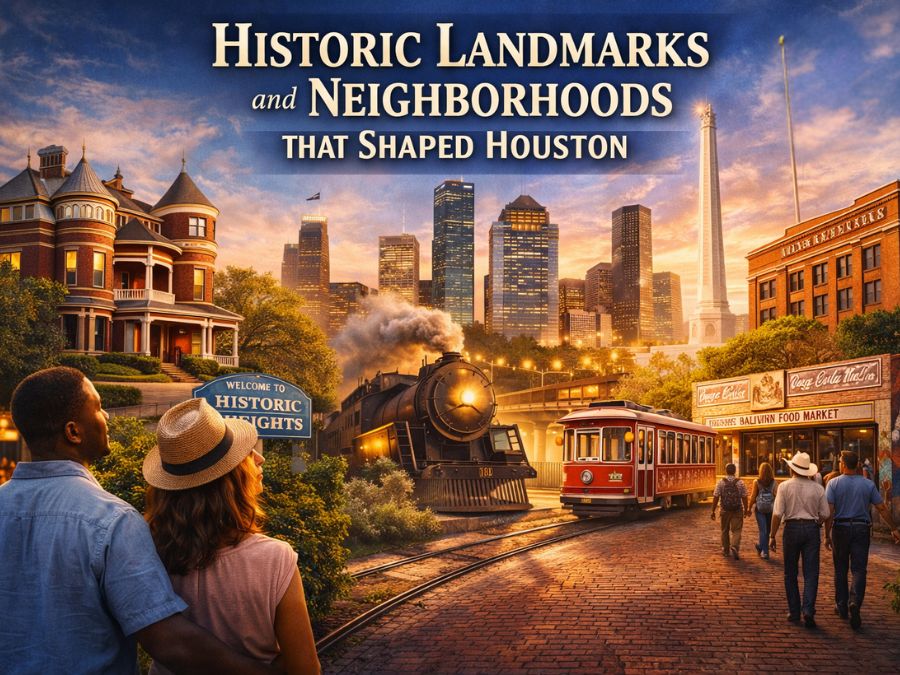
Historic Landmarks and Neighborhoods That Shaped Houston
Houston’s story lives in the streets you drive every day, the neighborhoods that still carry echoes of their past, and the landmarks that witnessed the city’s biggest turning points. Long before Houston became the massive, ever-evolving city it is now, these places shaped how it looked, moved, and defined itself.
This roundup takes you inside Houston’s historic neighborhoods and landmarks that helped build the city from the ground up. If you want to understand Houston beyond the skyline, where it started, how it changed, and why it still matters, these are the places you need to explore next.
The Heights
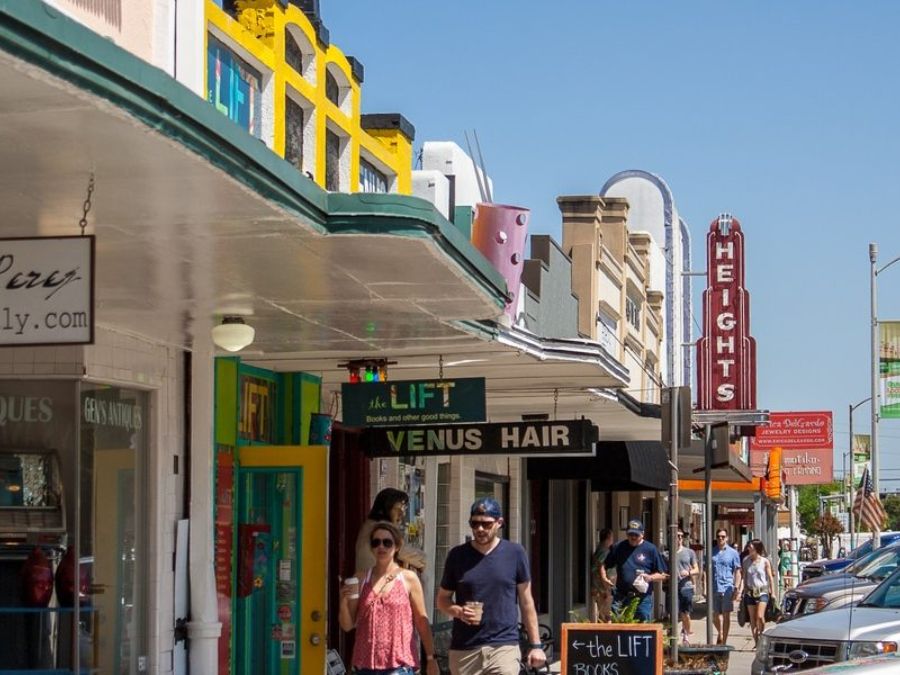
Image from Houston POI Official Website: Link Here
Houston’s first planned suburban neighborhood
Founded in the 1890s, The Heights was one of Houston’s earliest master-planned communities. Its development marked the city’s first major expansion beyond downtown.
Tree-lined streets, preserved Victorian and Craftsman homes, and a strong sense of neighborhood pride define the area today. The Heights blends historic architecture with modern Houston life.
It remains one of the city’s most recognizable and influential historic neighborhoods.
Why It Matters: The Heights shows how Houston first began growing outward while maintaining a strong community identity.
Freedmen’s Town
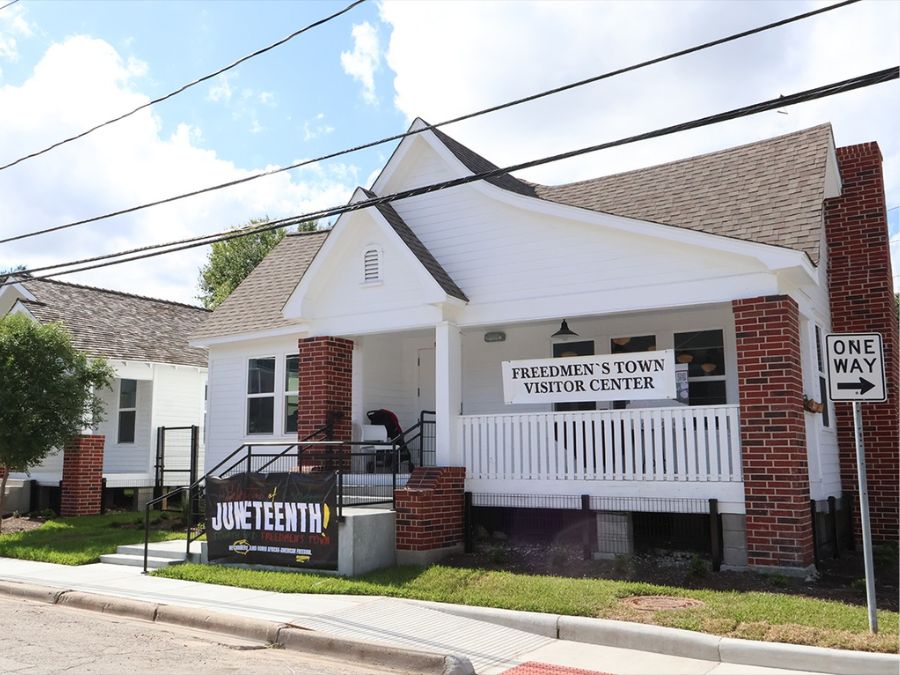
Image from Freedmen’s Town Official FB Page: Link Here
A neighborhood built by formerly enslaved Houstonians
Freedmen’s Town was established after the Civil War by formerly enslaved people seeking safety, opportunity, and independence. Located in Houston’s Fourth Ward, it is one of the city’s most historically significant neighborhoods.
Known for its distinctive brick streets and historic homes, Freedmen’s Town stands as a powerful reminder of resilience and self-determination. Preservation efforts continue to protect its legacy.
The neighborhood remains central to Houston’s African American history.
Why It Matters: It preserves one of the most important chapters of Houston’s cultural and social history.
Market Square Park
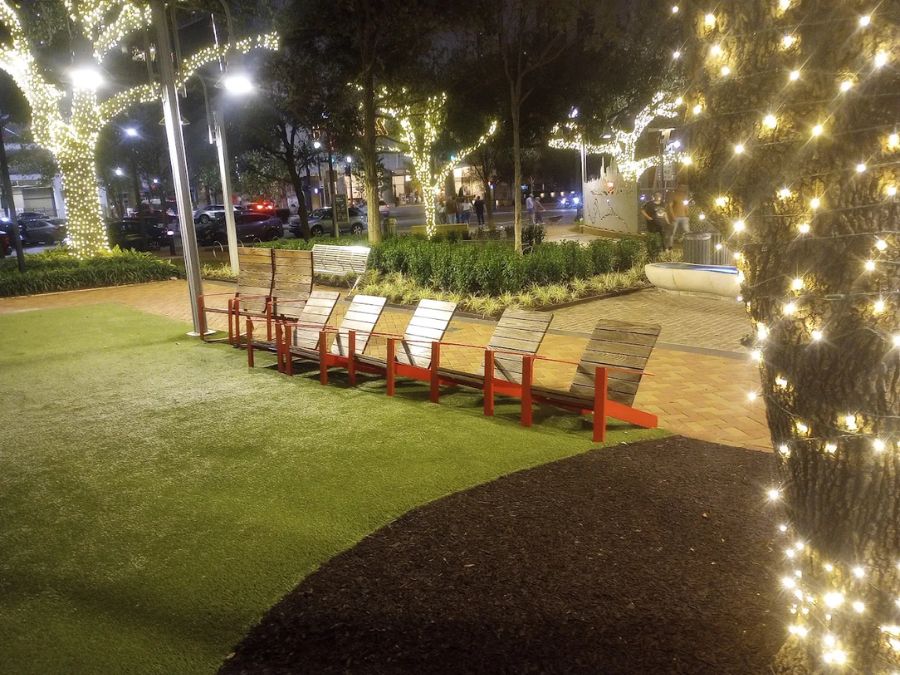
Image from Market Square Park Official Google Business: Link Here
The birthplace of Houston’s downtown
Market Square Park sits on the site of Houston’s original city center. In the mid-1800s, it served as a hub for trade, public gatherings, and civic life.
Surrounded by some of downtown’s oldest buildings, the park reflects Houston’s evolution from frontier town to major city. Today, it remains an active public space.
This area represents Houston’s earliest urban core.
Why It Matters: Market Square Park marks where Houston’s downtown life first began.
Midtown
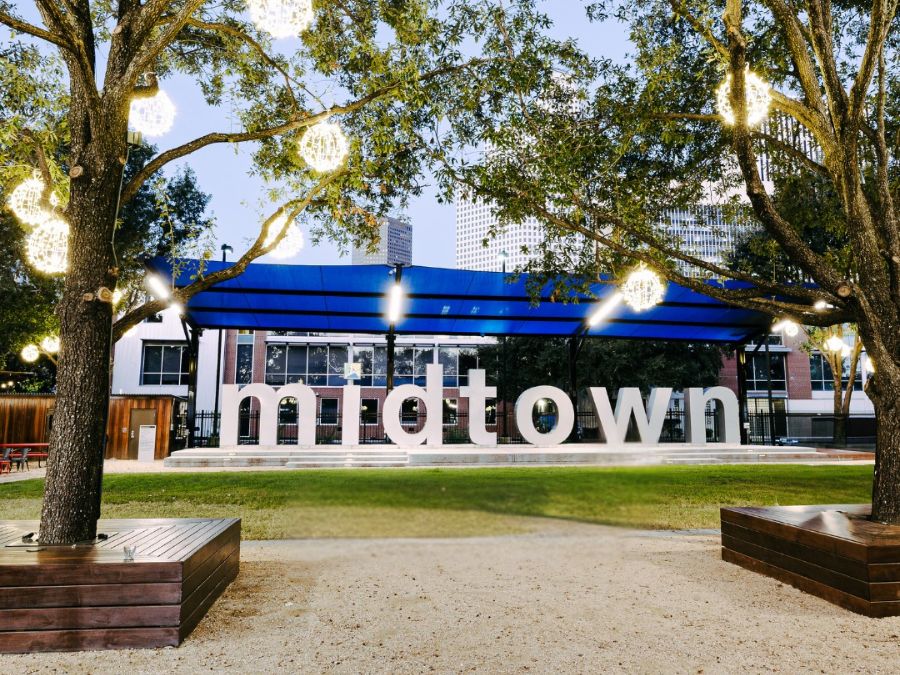
Image from Midtown Official FB Page: Link Here
A neighborhood shaped by rail lines and reinvention
Midtown developed alongside Houston’s early railroads and industrial growth. Over time, it has continually adapted to the city’s changing needs.
Historic buildings sit beside newer development, reflecting Houston’s ongoing cycle of reinvention. Midtown has long served as a cultural and transportation corridor.
Its layered history mirrors Houston’s broader evolution.
Why It Matters: Midtown shows how Houston grows by adapting rather than replacing its past.
River Oaks
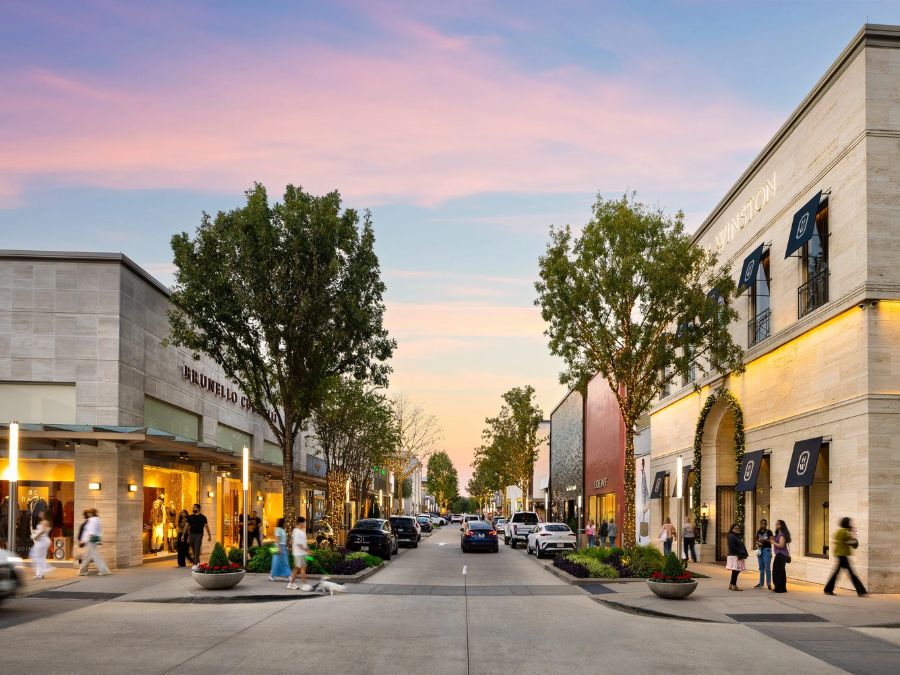
Image from River Oaks District Official FB Page: Link Here
Modern Development with Deep Local Roots
River Oaks District represents Houston’s evolution from early residential planning to modern urban luxury. Developed decades after the original River Oaks neighborhood, the District reflects how the area adapted to changing lifestyles, blending upscale retail, dining, and residential spaces into a walkable, contemporary destination.
Unlike traditional shopping centers, River Oaks District was designed to feel curated and intentional. Its layout encourages people to linger, gather, and experience the area as a social hub rather than just a place to shop. Today, it stands as one of Houston’s most refined mixed-use developments.
River Oaks District highlights how Houston continues to reimagine its neighborhoods while maintaining a connection to the city’s legacy of thoughtful design and growth.
Why It Matters: It showcases Houston’s shift toward modern, mixed-use development while reinforcing River Oaks’ long-standing influence on the city’s design culture.
Buffalo Bayou
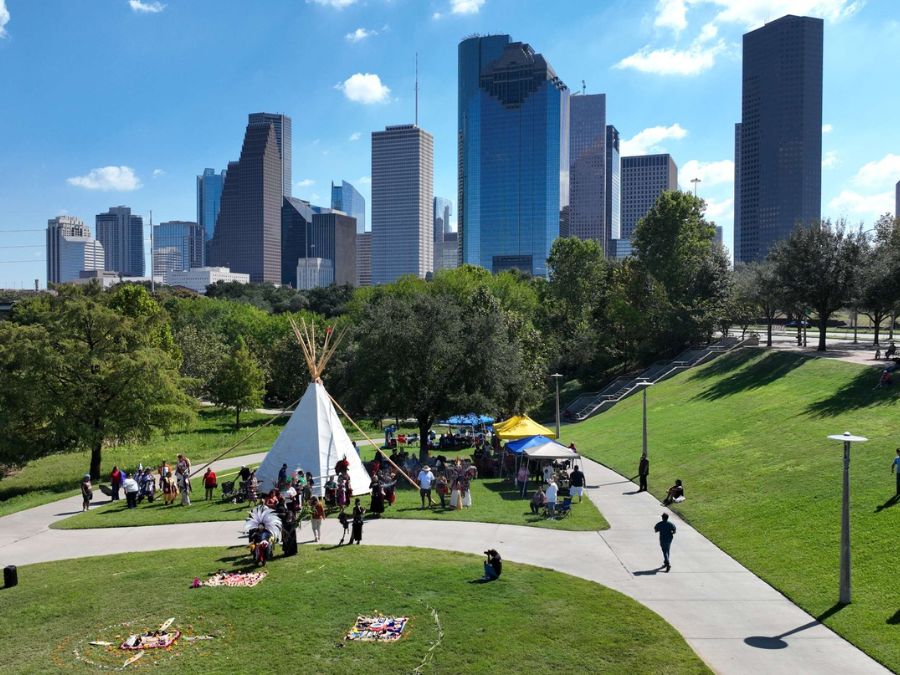
Image from Buffalo Bayou Official FB Page: Link Here
The natural landmark that made Houston possible
Buffalo Bayou is central to Houston’s origin and growth. Early settlers relied on it for transportation, trade, and access to the Gulf.
Over time, the bayou shaped settlement patterns and economic development throughout the city. Today, it remains both a natural feature and an urban asset.
Buffalo Bayou connects Houston’s past to its present.
Why It Matters: Without Buffalo Bayou, Houston would not exist as it does today.
The Houston Ship Channel
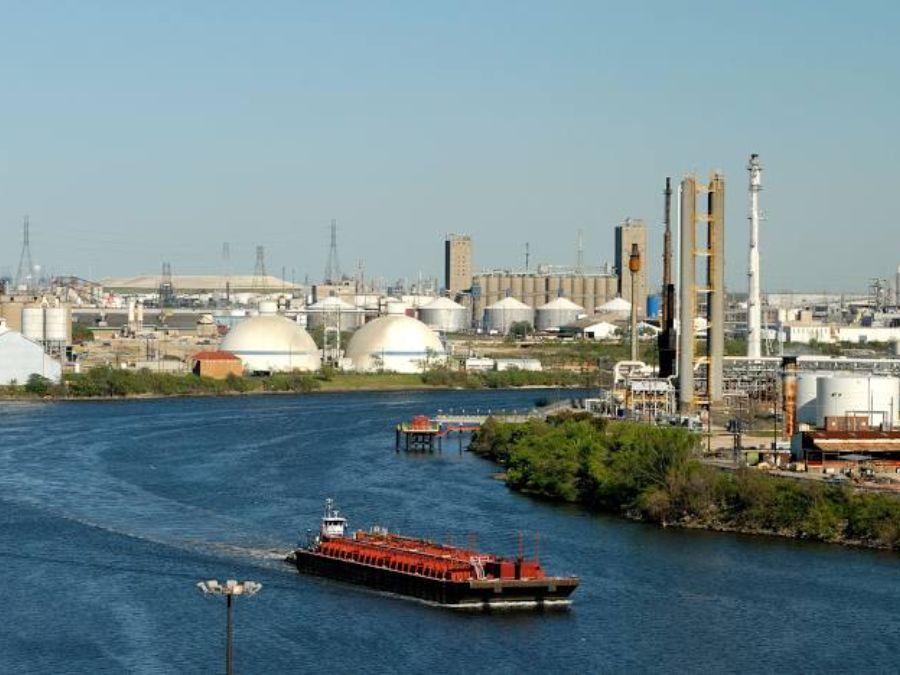
Image from Houston Ship Channel Google Maps: Link Here
The industrial project that transformed Houston’s future
The Houston Ship Channel changed the city’s trajectory in the early 20th century. Its development turned Houston into a global port and industrial powerhouse.
The channel fueled population growth, international trade, and economic expansion. Its influence continues to shape Houston’s economy today.
Few projects have had a greater impact on the city.
Why It Matters: The Ship Channel laid the foundation for Houston’s global economic role.

Houston’s History, Still Standing
Houston’s historic neighborhoods and landmarks are more than preserved spaces—they’re living chapters of a city that has always adapted, rebuilt, and pushed forward. These places reflect the ambition that shaped Houston and the resilience that keeps it evolving, even as the skyline continues to change.
Walking these neighborhoods and standing at these landmarks offers a deeper connection to the city’s identity. They remind you that Houston’s story isn’t just something to read about—it’s something you can experience firsthand. Take the time to explore them, because understanding where Houston came from makes seeing where it’s headed even more meaningful.